Workplace Suicide Prevention Starts with the Work / Workplace
Work / our workplaces can protect mental health. They can also contribute to mental strain and suicide risk.
These FAQs explain why, and what employers can do about it.
-
My approach is “upstream” as we say in the suicide prevention world.
In other words, I focus on the work/workplace psychosocial risk factors - such as high job demands, low control, poor support, bullying, isolation and other conditions - that can contribute to or worsen mental strain, anxiety, depression, suicidal thoughts and suicide.
By no means does my work replace the human side of suicide prevention. We still need to notice one another, ask how someone is doing and stay long enough to hear the answer. But we also need to ask a question that often gets missed:
What is happening at work that may be contributing to the struggle in the first place?
This is what makes me different.
-
Yes. Suicide is complex and rarely has a single cause. Work is not responsible for every suicide, but research shows that workplace conditions can contribute to or worsen mental health challenges and suicide risk.
That's why workplace suicide prevention can't focus exclusively on “the person” (e.g. awareness or resilience). We also need to examine what's happening around the person at work and reduce the risks employers have the ability to change.
-
The majority of workplace suicide prevention focuses on what happens once someone is already struggling: encouraging people to speak up, providing EAP or mental health resources, responding to a crisis or connecting someone with professional support.
All are important, but a psychosocial risk approach adds an important “upstream” question: What conditions at work may be contributing to the struggle, and which of those conditions can we change and/or eliminate?
It moves workplace suicide prevention beyond response alone and makes prevention part of how work is designed, managed and led.
-
A lot actually. Safety professionals already understand the basic principle: identify hazards, understand exposure and reduce unnecessary risk.
Psychosocial risk applies that same thinking to conditions of work that can affect psychological health, such as workload, scheduling, job control, supervisor behavior, bullying, poor support and isolation.
It's not about making employers responsible for an employee's mental health. It's about holding organizations accountable for the workplace conditions they do control.
-
People need to know they matter; that they're valued.
Work can reinforce this through “kind” small interactions such as: saying good morning, thank you, listening, noticing when something seems off or asking “Are you okay?” and staying when the answer takes a second too long.
These aren't substitutes for professional mental health care or a comprehensive suicide prevention strategy.
They're ways we create connection and remind another human being: I see you, you matter.
-
Start by asking what you want to change after the presentation.
If the goal is to move beyond awareness, look for a speaker who understands how work itself can affect mental health and suicide risk, can translate research into the realities of your workplace and can give leaders practical ways to reduce risks within their control.
That's the focus of my keynotes and workshops: helping organizations understand workplace psychosocial risk, reduce unnecessary exposure and create workplaces where people know they matter. The work itself can be part of prevention.

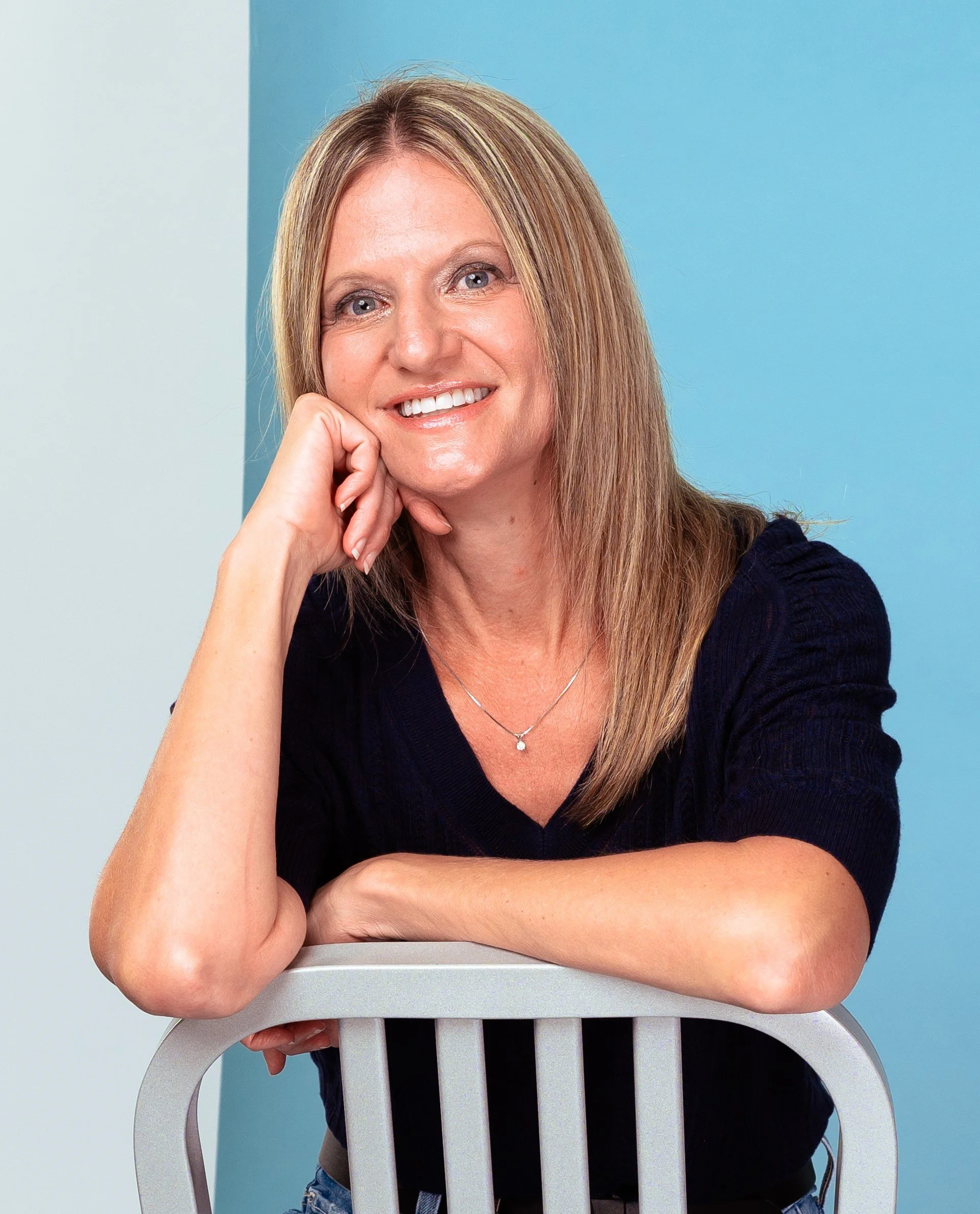
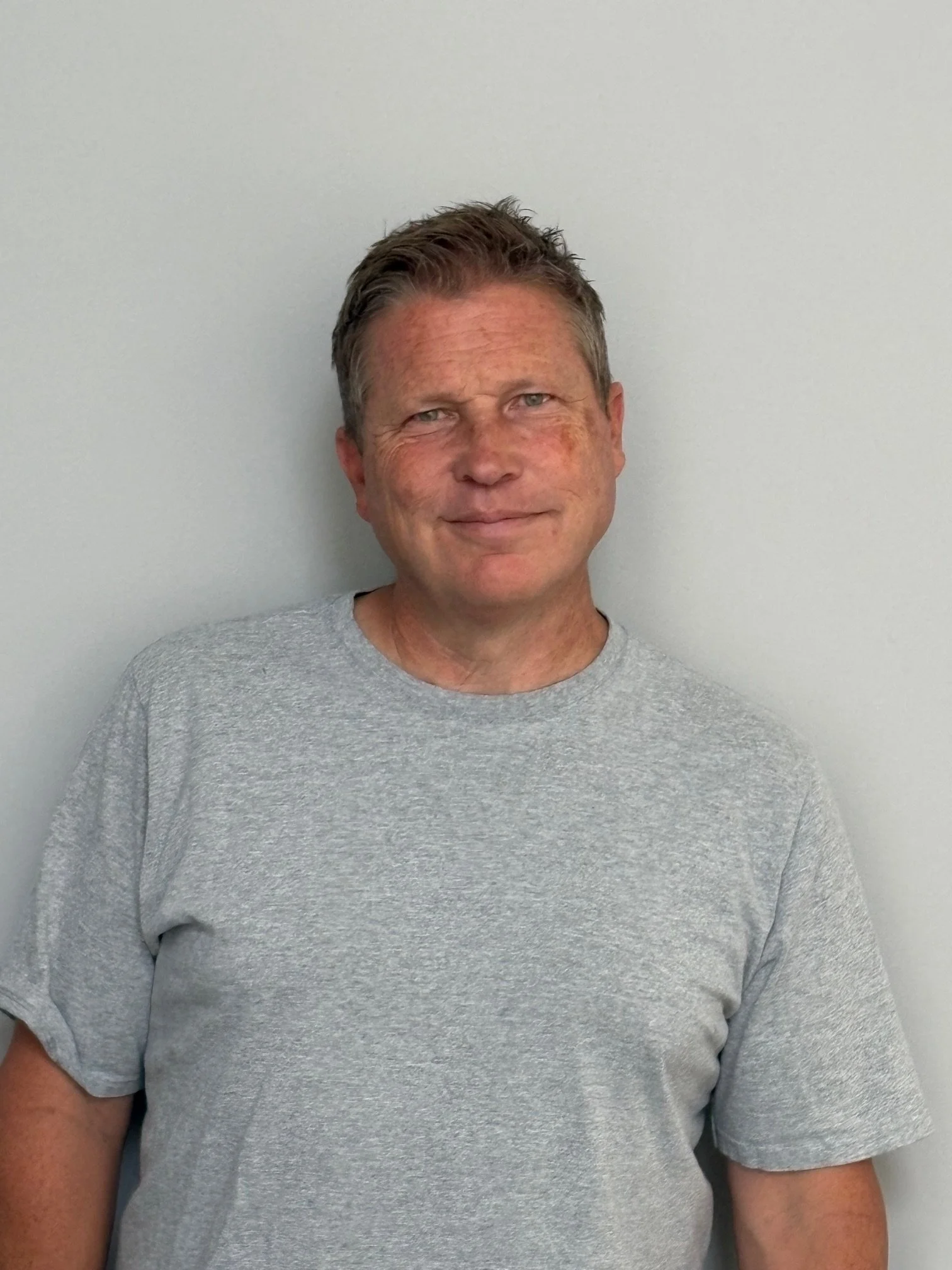
Headshots
Below are downloadable photos that meeting planners are welcome to use for promotional materials.